Showing posts with label Furniture. Show all posts

Guide to Accent Chairs: Style, Function, and Design Inspiration

Accent chairs are the unsung heroes of interior design—versatile, stylish, and functional, they can elevate a room from ordinary to extraordinary. Whether you're looking to add a pop of color, provide extra seating, or just a cozy accent chair for bedroom, the right chair can make all the difference.


In this comprehensive guide, we'll explore different types of accent chairs, how to choose the best one for your space. Plus, we’ll share expert tips on placement and styling to help you maximize both aesthetics and comfort.


Cream accent chairs in living room with sage green wall


What Are Accent Chairs?  


Accent chairs are secondary seating options designed to complement a room’s decor while providing additional functionality. Unlike primary seating (like sofas), they serve as decorative focal points, often featuring bold upholstery, unique shapes, or intricate detailing.  


Their purpose extends beyond seating—they can define a space, add contrast, or introduce texture. From sleek modern designs to plush vintage-inspired pieces, accent chairs come in countless styles to suit any aesthetic.  


Types of Accent Chairs


1. Armchairs  

Classic Bergère chairs with pink upholstered seat


A classic choice, armchairs offer both comfort and style. They often feature padded arms and upholstered seats, making them ideal for living rooms and studies. Bergère chairs, for example, are timeless French-inspired designs with exposed wooden frames and caned or upholstered backs.  


2. Wingback Chairs

Cream wingback chair with stripe throw pillow


Known for their high backrests and "wings" that extend to the arms, wingback chairs add sophistication to any space. Originally designed to shield users from drafts, they now work well in traditional and transitional interiors.  


3. Club Chairs

Set of pink club chair in mid-century living room


Compact and cozy, club chairs are upholstered with deep seats and low arms, perfect for lounging. They’re great in home libraries or as part of a conversation area.  


4. Barrel Chairs

Moroccan swivel barrel chair


With a rounded back that hugs the sitter, barrel chairs offer a retro-modern appeal. They’re excellent for small spaces due to their compact footprint.  


5. Slipper Chairs

Teal slipper accent chair with wooden leg


Armless and low-backed, slipper chairs are ideal for tight spaces like bedrooms and dressing areas. Their sleek profile allows for easy placement in nearly any room.  


6. Accent Recliners

Gray accent recliner chairs in white living room


For those prioritizing comfort, reclining accent chairs provide the perfect blend of functionality and style. Many modern designs now feature chic fabrics and slim silhouettes.  


7. Swivel & Glider Chairs

Gray swivel glider chair with beige rug underneath


Ideal for dynamic living spaces, swivel chairs rotate 360 degrees, while gliders offer smooth back-and-forth movement—great for nurseries or home offices.  


For more chair style inspiration, check out Architectural Digest’s accent chairs.  


How to Choose the Perfect Accent Chair


When selecting an accent chair, consider the following factors:  


1. Room Size & Scale

Accent chairs serve different purposes in different spaces. In small rooms, they're primarily functional with style as bonus, while in large rooms they become sculptural elements.

- Small spaces

It's tricky to get both function and style in a small space without it feeling crammed. With less floor space, narrow paths, and the risk of clutter, you gotta be smart. So, try going for accent chairs with compact designs like slipper or barrel chairs. They'll give you the look you want without taking up too much room.


- Large rooms

Making a big style statement, anchoring your space, and adding layers of interest while filling those empty spots can be tricky. The main challenge is making sure your chair doesn't get lost in the shuffle, especially in a large room. You want to strike the right balance in terms of scale and create a cozy vibe. That's where bold, oversized chairs come in handy – they're perfect for anchoring a space and making sure your design doesn't get swallowed up!


2. Style & Aesthetic

Accent chairs are fantastic for adding personality and function to a room. They come in a huge variety of styles, each with its own aesthetic, so you can really tailor them to your decor.

- Modern

Embracing minimalism and functionality, making them perfect for sleek, contemporary spaces. These chairs often feature clean lines, streamlined silhouettes, and subtle detailing.


Common materials include leather or smooth, neutral-toned fabrics like gray, beige, or white, which complement a wide variety of interiors without overwhelming the space. Metal or minimalist wood legs often complete the look, giving the chair a light, airy presence. Whether placed in a home office or next to a geometric coffee table, modern accent chairs bring understated sophistication wherever they land.


- Bohemian 

It is all about personality, texture, and eclectic flair. They typically showcase vibrant patterns—think tribal prints, florals, or colorful geometrics—and upholstery materials that invite touch, like woven fabrics, velvet, or embroidered textiles.


A boho-style chair might feature carved wooden arms, mismatched pillows, or even fringe details, creating a collected-over-time look. These chairs are ideal for adding a sense of coziness and world-traveler charm to a reading nook, bedroom corner, or sunlit living area.


- Traditional

accent chairs exude classic charm and timeless design. Key features often include tufted backs, rolled arms, and rich wood frames with ornate carvings or dark finishes. Upholstery tends to favor luxurious materials such as velvet, damask, or brocade in deep, warm tones like burgundy, navy, or forest green.


Traditional chairs often serve as statement pieces in formal living rooms or elegant bedrooms, instantly elevating the ambiance with a sense of refinement and comfort rooted in heritage style.


3. Material & Durability

Accent chairs come in a variety of materials, each offering a unique blend of style and durability:

- Fabric

Fabric accent chairs offer a soft, inviting feel that adds warmth and comfort to any room. Materials like velvet and linen are popular choices for their texture and visual appeal, but they can require a bit more maintenance to keep looking their best.


Velvet, for example, shows impressions and can attract dust, while linen is prone to wrinkles and staining. Regular vacuuming and occasional professional cleaning may be needed, making fabric best suited for low- to moderate-traffic areas or spaces where style takes priority over rugged use.

- Leather

Leather is a favorite for those seeking both durability and easy maintenance in an accent chair. It resists spills and wipes clean with minimal effort, making it a smart choice for homes with kids or pets. 


Over time, leather develops a rich patina—a soft sheen and color depth that adds character and charm. Though it costs more upfront, genuine leather's durability makes it a smart long-term investment. Whether in a sleek modern shape or a more classic club chair design, leather brings sophistication and resilience to any space.


- Synthetic blends

Synthetic blends, such as microfiber or polyester mixes, are go-to choices for households that need practical, everyday seating. These materials are engineered to resist stains, moisture, and fading, which makes them ideal for high-traffic areas like family rooms or casual sitting spaces. 


Microfiber, in particular, mimics the softness of suede but repels spills and dirt more effectively, offering a balance of comfort and convenience. With a wide range of colors and textures available, synthetic options can be both stylish and sensible.


4. Comfort & Functionality

By thoughtfully evaluating these comfort and functionality aspects alongside the aesthetic appeal, you'll be much more likely to find an accent chair that's not just beautiful, but also a joy to use and a truly valuable addition to your home.


Finding an accent chair that perfectly blends comfort and functionality means being strategic in your search.

  1. Define your primary use and placement.
  2. Prioritize comfort features.
  3. Consider functionality features.
  4. The "Test Drive" (if possible).

Test the chair’s seat depth and back support. If you plan to use it for extended periods, prioritize padded cushions and ergonomic design.


For expert advice on selecting furniture fabrics, Elle Decor’s upholstery guide offers valuable insights.  


Top Accent Chair Trends


1. Curved & Organic Shapes

Curved olive green accent chair with organic shape in brown room

Soft, rounded silhouettes dominate modern interiors, offering a welcoming feel.  


2. Sustainable Materials

Swivel Glider chair in cream color upholstered and wooden frame

Eco-friendly options like recycled fabrics and ethically sourced wood are in demand.  


3. Bold Colors & Patterns

Vivid hues Emerald green accent chair in modern room

Vivid hues (emerald green, mustard yellow) and geometric prints make statements.


4. Mixed Material Designs

Mixed material design pink accent chair with wood frame and velvet upholstered

Combinations like wood and metal or rattan with velvet create visual interest.  


5. Multifunctional Chairs

Purple multifunctional chair with integrated ottoman as storage

Storage-integrated or convertible designs are rising in popularity.  


For the latest trends, visit House Beautiful’s Design Forecast.  


Styling Tips for Accent Chairs


Pair with a Statement Rug 

To truly define a seating area, consider pairing your accent chair with a complementary rug. This creates a cohesive and inviting space. You can achieve color reinforcement by pulling a subtle hue from the rug into the chair, or vice versa, to create a harmonious rhythm.


For strategic contrast, let a neutral chair allow a colorful rug to shine, or have a jewel-toned chair pop against a more muted rug. Here's a pro tip: for a sophisticated look, try matching the rug's secondary color to your chair, like a teal chair with a rug that has subtle teal accents.

Add a Throw Pillow

Enhance comfort while tying in colors from the room. Pillows are a visual harmony catalyst for your accent chair and rug. Use them to create a strong color connection by pulling hues from the rug into the pillows on the chair, forming a cohesive loop. For example, if you have a teal rug, consider adding a neutral pillow with teal piping.


Pillows also serve as pattern mediation, helping to blend a bold rug with a solid chair, or vice versa, creating a balanced look. Don't forget texture layering; combine the textures of your rug (like wool or jute) with different pillow fabrics such as linen, velvet, or even faux fur to add depth and warmth to your seating area.


Use as a Focal Point


Transforming your accent chair, throw pillows, and rug into a cohesive yet chair-centric focal point requires strategic layering, contrast, and restraint. To ensure your chair remains the star of the show, there are a few tricks to keep it dominant. 


One effective method is using a lighting spotlight: aim a floor lamp or track light directly at the chair to draw the eye and highlight its unique design. Additionally, leverage negative space by leaving the walls around the chair bare, avoiding competing art or shelves that could distract from its prominence. For a subtle yet impactful grounding, opt for a tone-on-tone rug that matches your floor color; this helps the chair stand out without vying for attention.

3 Piece Living Room Set Ideas

Living room is such an enjoyable room in the house. A place where you can do many activities with your family. One of the rooms that always need an improvements.

Side Chairs For a Stylish and Functional Living Room

Does your living room feel a little unfinished? Maybe your sofa dominates the space, or there’s a quiet corner that looks nice but does nothing. If that sounds familiar, it might be time to give some attention to one of the most underrated pieces in home design: the side chair.


Side chairs, often known as accent chairs, are far more than backup seating for guests. They are an opportunity to bring character into the room without a full redesign. A well chosen side chair can introduce a bold color, a cozy fabric, or an unexpected shape that instantly makes the space feel more alive. I honestly think they are where you can be a little brave and have fun, even if the rest of your furniture plays it safe.


Think of side chairs as the details that make a room memorable. They can soften a large seating area, define a reading nook, or create a welcoming spot for conversation. When chosen with intention, side chairs do not just fill space. They add balance, warmth, and purpose, turning your living room into a place that feels both stylish and genuinely comfortable to live in.


A modern living room with a neutral sofa accented by a pair of vibrant blue velvet side chairs, creating a balanced and inviting seating area


Why Are Side Chairs So Important for Living Room Design?


Side chairs quietly solve several design challenges at the same time, which is why they deserve more attention than they usually get. As many home furnishing experts point out, today’s homeowners value furniture that is flexible and multi purpose. Side chairs fit perfectly into that mindset. They can move easily, adapt to different needs, and make a space feel thoughtfully designed rather than rigid.

One of their biggest strengths is how they add visual layering. A living room with only a sofa often feels flat, no matter how nice the sofa is. Bringing in one or two side chairs adds dimension and rhythm to the space. They break up large areas, soften strong lines, and make the room feel curated instead of accidental. This is one of those small changes that can completely shift how a room feels.

Side chairs also change the way people interact. When you pull a chair away from the wall and place it closer to the sofa, the room instantly feels more welcoming. Conversations become easier and more natural. There is something about a balanced seating arrangement that encourages people to relax, lean in, and actually connect.

And then there is the fun part. Side chairs are often the clearest expression of personal style in a living room. Sofas tend to be neutral and practical, chosen to last for years. Side chairs give you permission to be bold. A rich color, an eye catching pattern, or a sculptural shape can bring energy into the room without overwhelming it. In my opinion, this is where a living room really finds its personality.


How Do I Choose the Perfect Side Chair for My Space?


Finding the right side chair is where logic meets instinct. You want something that fits the room and works for everyday life, but it should also spark a little excitement. A good side chair should feel like it belongs there, yet still make you smile when you walk into the room.

Start with scale and proportion, because this step truly makes or breaks the look. A bulky, oversized chair can overwhelm a small living room, while a slim, delicate chair may disappear in a large, open space. Take time to measure the area where the chair will sit and think about how people will move around it. Leaving enough breathing room around your furniture keeps the space comfortable and easy to live in, not cramped or awkward.


Armless orange chairs with tufted backrest and dark-stained wooden legs


Next, decide what role you want the chair to play in your design. Some chairs are meant to quietly support the overall look. These blend beautifully with your sofa or rug through similar tones, using texture to add interest instead of color. Others are meant to steal the spotlight. A bold color or striking pattern can instantly energize the room and give it a sense of confidence. This is often the moment where design becomes personal, not just practical.

Comfort deserves more attention than it usually gets. A side chair can be stunning, but if no one wants to sit in it, something has gone wrong. If the chair is meant for reading, relaxing, or long conversations, take the time to test it. Pay attention to how your back feels, how deep the seat is, and whether your arms rest naturally. Comfort is not a luxury. It is part of good design.

One final thought that designers often swear by is mixing and matching. You do not need identical side chairs to create balance. In fact, two different chairs that share a similar vibe can make a living room feel layered, confident, and thoughtfully styled. Sometimes the most beautiful rooms are the ones that feel a little unexpected.


Where Should I Place My Side Chairs in the Living Room?


Side chairs may be beautiful on their own, but placement is what brings them to life. Where you put a chair affects how the room feels, how people move through it, and how comfortable conversations become. Thoughtful placement can turn a simple chair into a favorite spot in the house.

One classic option is placing two matching side chairs across from the sofa. This creates a sense of balance and symmetry that feels calm and intentional. The layout is ideal for conversation and works especially well in living rooms that lean toward a more polished or traditional look. There is something reassuring about this arrangement. It feels settled and timeless.


A living room showing how Blue side chairs add essential layers and balance to a large neutral sofa


For a more relaxed and inviting vibe, consider anchoring a single chair in a corner at a slight angle near the sofa. This approach softens the sharp edges of the room and naturally draws people in. Add a floor lamp and suddenly you have a reading nook that feels personal and cozy. In my opinion, this is one of the easiest ways to make a living room feel warm and lived in.

If flexibility matters to you, a lightweight side chair can be a game changer. Chairs with open frames or airy materials are easy to move and adapt to different moments. Pull one closer when guests arrive, then slide it aside when you want more open space. This kind of layout supports real life, not just perfect photos.

No matter which layout you choose, every side chair should feel complete. Pair it with a small table, a lamp, or even an ottoman so it has a clear purpose. When a chair has a companion, it stops feeling like an afterthought and starts to feel like a destination.


How Can I Style Side Chairs to Complete the Look?


Styling is the moment when side chairs stop feeling like furniture and start feeling like design. It is what gives your living room that layered, editorial quality you see in magazines and instantly want to recreate at home.


Start by playing with texture. A soft throw casually draped over the back of a chair or a cozy pillow placed just right can change the entire mood. Contrast makes the biggest impact here. A chunky knit against a smooth fabric or a natural sheepskin on a structured chair adds warmth and visual interest without trying too hard.


Orange armchair with a woven throw blanket for perfect side chair


Next, give the chair something useful beside it. A small side table makes the setup feel intentional and lived in. It is the perfect place for a cup of coffee, a candle, or a short stack of favorite books. This pairing signals that the chair is meant to be used, not just admired from across the room.


Lighting is another detail that should never be skipped. A floor lamp or a petite table lamp nearby creates a sense of comfort and draws attention to the chair itself. Good lighting invites people to sit down, relax, and stay awhile, which is exactly what a living room should encourage.


Finally, anchor your side chairs with a rug. Letting the front legs rest on the area rug visually connects the chair to the rest of the seating. This simple move pulls everything together and makes the room feel cohesive instead of scattered. In my opinion, it is one of the easiest styling tricks with the biggest payoff.


What Are the Best Materials for Durable and Stylish Side Chairs?


Choosing the right material for a side chair is really about how you live. Style matters, of course, but durability is what makes you love a piece long term. Lately, there has been growing interest in materials that look beautiful while standing up to real life, and that balance is exactly what a great side chair should offer.


If you share your home with kids or pets, performance fabrics are worth every bit of the hype. Modern velvets and microfibers are surprisingly tough and far more forgiving than they look. Many indoor performance fabrics resist stains and clean up easily, which means you can relax instead of worrying about every spill. Leather is another smart option. It is classic, resilient, and only gets better with age, developing character instead of wear.


Perfect side chair taupe velvet upholstery mounted on solid wood frame


For those drawn to a softer, more natural feel, materials like wicker, rattan, and cane are hard to beat. These chairs bring warmth and texture into a room and instantly make a space feel lighter and more relaxed. They blend beautifully with many styles, from casual bohemian interiors to clean, modern homes. In my opinion, natural materials add a sense of ease that is difficult to replicate.


If your goal is a sleek, modern look or you are working with a smaller living room, lighter visual materials can make a big difference. Clear acrylic or molded plastic chairs offer function without heaviness. They provide extra seating while keeping the room open and uncluttered, which can be a game changer in tight spaces.


Sleek polished chrome cantilever side chair


At the end of the day, the best material is the one that supports your lifestyle and makes your living room feel like a place you truly want to spend time in.


Ready to Find Your Perfect Side Chair?


Take a moment to really look at your living room. Notice the quiet corners, the empty spaces, the areas that feel fine but not quite finished. Now imagine what could happen there. A pop of color, a new texture, or a cozy seat that instantly draws you in. Your perfect side chair is closer than you think, whether it is a vintage treasure, a bold new purchase, or even a family piece brought back to life.

The real goal is not perfection. It is creating a space that feels like you and supports the way you live every day. Side chairs give you the freedom to experiment without fear. Be brave with your choices, trust your instincts, and have fun with the process. When you let side chairs do a little of the talking, your living room becomes more balanced, more welcoming, and far more alive.

They are the simplest way to add function, personality, and a polished finish to your living room. Start with one and see the difference it makes.

10 Ideas to Make Your Dining Room Look Elegant with a Hutch Display

Ever feel like your dining room is missing that "wow" factor? What if one piece of furniture could transform it from functional to fabulous? Enter the hutch display, the secret weapon of sophisticated dining rooms. More than just storage, a well-chosen and styled hutch creates a curated focal point, elevating the entire space. Ready to unlock its potential? Let’s dive in!


Beautiful white dining room hutch featuring built-in lighting and stylish decorative accents, perfect for a bright and elegant dining space


What Exactly is a Hutch, and Why Does it Elevate Your Dining Room?


A hutch, traditionally, is a two-part furniture piece combining a lower base (often a sideboard or buffet for storage) with an upper section featuring shelves, typically enclosed by glass doors. Historically, hutches stored precious china and silver, showcasing a family’s heritage and hospitality. Today, they remain indispensable for both practical storage and decorative impact.


Why does it add elegance?
  • Creates Visual Height: It draws the eye upward, making ceilings feel taller and the room grander.
  • Offers a Curated Stage: It provides a dedicated space to display your most beautiful possessions such as heirloom china, art glass, or sculptural objects and transforming them into an intentional collection.
  • Adds Architectural Interest: Especially in rooms lacking built-ins, a hutch introduces structure and depth.
  • Provides Essential Storage: Conceal linens, servingware, or less decorative items neatly below.
  • Anchors the Space: It acts as a substantial, grounding element that defines the dining area.
As noted by architectural digest experts, built-ins and statement furniture like hutches add significant character and perceived value to a room. A hutch embodies this principle perfectly.

How Do You Choose the Perfect Hutch for Your Dining Room Style?


Selecting the right hutch is crucial. It needs to harmonize with your room’s scale and aesthetic. Here’s how to find your match:


Assess Size & Scale

When choosing a hutch for your dining room or kitchen, one of the first steps is to assess size and scale carefully. Start by measuring your space, not just once, but twice to avoid costly mistakes. A good rule of thumb is to maintain at least 36 inches of clearance between the table and the hutch. This ensures there's enough room to move around comfortably, especially during meals or gatherings.


In smaller rooms, it’s important not to overwhelm the space. Look for a hutch with a slimmer profile or consider using just a single, well-proportioned cabinet to keep the room feeling open and airy. On the other hand, if you're decorating a large, open space, a larger and more ornate hutch can become a stunning focal point, anchoring the room with style and presence.


Compact white corner hutch with glass doors, beautifully styled with blue transferware dishes, woven baskets, and potted herbs to maximize small dining room space while adding farmhouse charm


Height also plays a key role in selecting the right hutch. While you want the piece to feel substantial and well-integrated, avoid anything so tall that it nearly touches the ceiling. A hutch should enhance the room’s vertical space and not crowd it. Aim for a balanced look that complements the overall proportions of your furniture and architecture.


Define Your Style

It’s important to define your style, as it sets the tone for your entire space. From timeless classics to breezy modern looks, there’s a perfect hutch for every aesthetic.


If you lean toward a traditional style, consider pieces crafted from rich woods like cherry, mahogany, or walnut. Look for details such as intricate carvings, raised panel doors, and even distressed finishes that add character. Antique or reproduction hutches work beautifully here, with brands like Ethan Allen offering excellent classic options.


Warm-lit wooden display hutch with built-in interior lighting, showcasing a curated collection of glassware, vintage books, and ceramic art pieces in a modern dining room setting
Durasupreme


For a modern or contemporary look, seek out clean lines, sleek materials, and minimalist hardware. Lacquered finishes, metal accents, and glass panels create a streamlined feel. Open shelving without doors is a popular choice for showcasing curated décor while maintaining a minimal vibe.


The farmhouse or rustic style embraces charm and comfort. Think weathered wood, chippy paint finishes in creams or grays, and simple, vintage-inspired hardware. Swapping traditional glass panels for chicken wire adds a quirky, authentic touch. Open shelving also complements the relaxed, lived-in feel.


Stunning black dining room hutch featuring elegant display shelves and decorative accents, perfect for adding style and contrast to your dining space


If you're somewhere between classic and modern, the transitional style offers the best of both worlds. Combine traditional shapes with modern finishes like a classic hutch silhouette in a sleek navy lacquer. This approach creates a balanced, versatile piece that can evolve with your décor.


Lastly, for a breezy and fresh feel, consider a coastal or Scandinavian (Scandi) aesthetic. These styles favor light woods such as oak, ash, or pine, paired with white or soft neutral tones. Clean, airy lines make the hutch feel effortlessly stylish and naturally calming.


Consider Materials & Construction

When selecting a hutch, don’t overlook the importance of materials and construction. They play a major role in both the look and longevity of your piece.


White hutch cabinet for dining room furniture, featuring large glass doors and decorated with elegant tableware and neutral-toned accents


Solid wood is a classic choice if you want something that will last a long time. Woods like oak, maple, and walnut not only offer durability but also bring natural warmth and beauty to your space. While it may be a bit more of an investment, a well-made solid wood hutch can last for generations.


For those working within a budget, engineered wood or wood veneers are smart alternatives. These options can still look beautiful and are often more resistant to warping or shifting over time. Just make sure to check for quality craftsmanship, especially in the joints and overall finish.


If your hutch includes glass doors, make sure the glass is sturdy. Compared to other types of glass, tempered glass is both safer and lasts longer. For added personality, consider frosted or leaded glass, which can give your hutch a more distinctive, decorative look while still showing off what’s inside.


Hardware matters too. The knobs and pulls should match your hutch’s overall style. For example, ornate brass hardware suits a traditional piece, while sleek bar pulls are perfect for a modern design.


And don’t be afraid to mix things up a little! A modern glass vase or contemporary dishware displayed in a traditional wooden hutch creates eye-catching contrast and shows off your personal flair. The key is to keep things balanced and cohesive, so your space feels thoughtfully curated rather than mismatched.


What Are the Best Ways to Style Your Hutch for Maximum Elegance?


This is where the magic happens! Styling your hutch is an art form. Follow these principles for a polished, elegant display:


Embrace the Power of Layers & Varying Heights

When styling your hutch or shelving, embracing layers and varying heights can instantly elevate the look. This simple technique adds dimension, keeps the eye moving, and helps each item shine in its own way.


Dining room hutch painted in black, styled with eye-catching decor accents and creative display ideas for a modern elegant look


Start by anchoring with height. Place your tallest pieces like elegant vases, candlesticks, or even framed art leaned casually against the back wall towards the back or in the corners. These items create a strong visual foundation and give your display structure.


Next, build the middle layer. Think medium-height objects such as stacked books, modest-sized bowls, or smaller sculptures. These items act as a bridge between your tall anchor pieces and the more delicate items up front, creating a smooth visual flow.


Finally, finish with lower front items. This is where you can add character and charm with tiny decorative boxes, delicate ceramics, or favorite figurines. Placing these shorter pieces toward the front ensures they’re easily seen and not hidden behind taller objects.


By layering from back to front and varying the heights, you’ll create a dynamic and inviting arrangement that feels both curated and complete.


Curate with Intention (Less is Often More)

When it comes to styling your hutch, remember the golden rule: curate with intention, because less is often more. It can be tempting to fill every shelf, but an overcrowded display can quickly feel chaotic. Instead, edit ruthlessly. Choose only the items you truly love, pieces that reflect your style and complement one another. Not everything needs to be on display at once. Try rotating seasonal décor to keep the look fresh and interesting throughout the year.


Creating a sense of harmony is just as important as choosing beautiful pieces. One easy way to do this is by sticking to a theme or color palette. Grouping items by color, such as a collection of blue-and-white porcelain or by material like glass, wood, or ceramics brings a cohesive feel to your arrangement. You can also lean into a loose theme like travel mementos or nature-inspired elements for a more personal touch.


Vintage-inspired mid-century modern wooden hutch with clean lines and tapered legs, featuring open shelving displaying retro ceramics


Even a neutral color scheme can make a stunning impact when layered with different textures, think matte ceramics, woven baskets, and glossy glass. The key is to strike a balance between simplicity and personality, so every item feels purposeful and thoughtfully placed.


Incorporate Diverse Textures & Forms

To make your hutch display truly stand out, try to incorporate diverse textures and forms. Mixing materials adds depth and keeps the eye engaged. Pair smooth ceramics with rough woven baskets, or shiny glass alongside matte stoneware. Even a touch of soft greenery can help balance harder elements like metal or wood, bringing life and warmth to the overall look.


Shape variety matters, too. Combine structured, geometric pieces like cubes, rectangular boxes, or stacked books with organic, flowing forms such as curved vases, rounded bowls, or trailing plants. This contrast adds movement and a relaxed elegance to your arrangement.


Wonderful blue hutch cabinet, featuring built-in display lighting and styled with decorative dishes and accessories


When it comes to arranging your objects, keep the Rule of Three (or odd numbers) in mind. Groupings of three or five items tend to feel more natural and visually pleasing than even-numbered clusters. For smaller pieces, try clustering them on a tray or stacking them on books to create a tidy, intentional display. It’s these small design tricks that help your hutch look beautifully styled yet effortlessly curated.


Integrate Greenery & Life

Don’t forget to integrate greenery and a touch of life into your hutch display—it’s one of the easiest ways to add freshness and warmth. A small potted plant, like a fern, succulent, or even a graceful orchid, can breathe life into the arrangement and break up more structured or rigid elements.


If maintaining live plants isn’t your thing, high-quality faux stems in a simple vase can work just as beautifully. You can also try trailing ivy or greenery that cascades slightly over a shelf edge to soften hard lines and add a sense of movement.


Beautifully curated wooden display hutch featuring lush greenery, ceramic vases, and decorative objects arranged in an elegant, layered composition for dining room inspiration


Whether real or faux, greenery adds a natural, inviting feel that complements any style from modern minimalism to rustic charm. It's the little living detail that makes your display feel more personal, relaxed, and effortlessly stylish.


Light it Up

To truly make your hutch shine, it’s time to light it up, literally. Interior lighting inside the hutch is a game-changer. If your piece comes with built-in lighting (or can be retrofitted), use warm white bulbs to create a cozy, flattering glow. Not only does this highlight your treasures beautifully, but it also adds ambiance, especially in the evening when soft lighting makes the space feel warm and welcoming.


Elegant modern dining room featuring a white wooden hutch cabinet, styled with neutral-toned decor and soft lighting for a sophisticated look


Don’t have built-in lights? No problem. External lighting can be just as effective. Try placing a nearby table lamp or install picture lights above the hutch to draw attention to it as a focal point. According to House Beautiful’s lighting guide, accent lighting is essential when you want to elevate a styled display.


Don’t overlook the base of the hutch that lower cabinet surface offers valuable styling space. Keep it simple and intentional: a large lamp, a single striking sculpture, a beautiful tray with a decanter and glasses, or a lush plant all work well. Avoid over-cluttering this area; it should ground the upper shelving, not compete with it.


And here’s a personal favorite tip: stand back often. View your hutch from where you normally sit, whether that’s at the dining table or across the room. Items that seem balanced up close may look off from a distance. Better yet, take a quick photo, the camera often reveals visual clutter or imbalance that’s easy to miss with the naked eye.


How Do You Care for Your Hutch to Keep it Looking Elegant for Years?


Caring for your hutch is more than just cleaning, it’s about protecting your investment so it continues to look beautiful and function well for years to come. A little regular maintenance goes a long way in preserving its charm and durability.


White modern hutch cabinet with glass doors, styled with neutral decor and ceramics, in a contemporary dining room setting


Start with the basics: dust regularly using a soft microfiber cloth. For those hard-to-reach spots or intricate carvings, a gentle brush (even a clean makeup brush!) or a vacuum with a soft brush attachment will help remove buildup without damaging the surface.


When it’s time to clean, be kind to the wood. Use a cleaner specifically designed for wood furniture, and avoid harsh chemicals or rough cloths that could scratch or dull the finish. Always wipe spills immediately to prevent staining. Bob Vila’s furniture care tips are a great resource if you're unsure which cleaner works best for your wood type.


Polishing should be done sparingly. Many modern finishes don’t need frequent polishing, but if you choose to do so, pick a high-quality product that matches your finish, oil-based for oiled woods or silicone-based for lacquered finishes. Use it minimally to avoid buildup.


For hutches with glass doors, keep them sparkling with a dedicated glass cleaner and a lint-free microfiber cloth. Just be careful not to spray the cleaner directly on any wood parts, spray the cloth instead to protect the surrounding frame.


To preserve both your hutch and its contents, protect it from direct sunlight. Prolonged exposure can fade wood finishes and damage delicate decor. Use curtains, blinds, or UV film on windows to block harsh rays during peak sun hours.


Also, watch the weight distribution. Avoid overloading shelves, and always place heavier items like stacks of plates or ceramic pieces toward the bottom and center for safety and stability.


Finally, take a few minutes now and then to check the hardware. Tighten any loose knobs, pulls, or hinge screws to keep everything working smoothly and securely.


With just a bit of regular attention, your hutch will remain a stunning and functional centerpiece in your home for years to come.


Your Hutch, Your Elegant Statement


A hutch is more than just a piece of furniture, it’s a canvas for your creativity and a beautiful way to enhance your dining space. With the right piece and a thoughtful approach to styling, your hutch can become a stunning focal point that reflects your personality and adds a touch of everyday elegance to your home.


Whether you're drawn to timeless tradition, sleek modernism, or rustic charm, the key is to curate with care. Display what you truly love, play with balance, texture, and lighting, and let each piece you choose tell a little part of your story. As you edit and arrange, keep in mind that true elegance comes from intention, not excess.


So don’t be afraid to experiment. Try new combinations, rotate items seasonally, and have fun with the process. Your hutch has the power to transform your dining room into a warm, stylish, and inviting haven. Start styling today and let your hutch become your signature statement of charm and sophistication.

Unlock Your Space: 10 Creative Living Room Furniture Design Ideas & Tips

Your living room is more than just a space – it’s the heart of your home, a canvas for self-expression, and a hub for connection. Gone are the days of predictable sofas and matching armchairs. Today’s most inspiring interiors embrace creativity, functionality, and personality through innovative furniture choices. Let’s explore groundbreaking ideas to transform your living area into a conversation-starting masterpiece.


Modern wooden shelves arranged in an living room design on a white wall, displaying books, small potted plants, and decorative ceramics for a stylish storage solution


Why Creativity in Living Room Furniture Matters?


Creative furniture isn’t just about aesthetics; it solves real-life dilemmas. As urban dwellers face smaller spaces (a trend highlighted by the National Association of Home Builders), multi-functional designs maximize square footage. Simultaneously, Psychology Today notes that personalized spaces boost mental well-being. Your furniture choices directly impact how you live, relax, and feel.


10 Creative Furniture Ideas to Revolutionize Your Living Room


1. Modular Magic: The Shape-Shifting Sofa

Gray modular sofa pieces arranged in an L-shape next to a window, with one chaise detached as a footrest

Forget static sectionals! Modular sofas like the Lovesac Sactional or Burrow Nomad let you reconfigure sections for movie nights, large gatherings, or solo lounging. Tip: Use corner units as impromptu room dividers in open-plan lofts.


2. Floating Furniture: The Illusion of Space

Modern wooden floating shelves arranged in modern living room design on a white wall

Wall-mounted consoles, shelves, and even fold-down desks free up floor space, making rooms feel airier. Perfect for displaying art or storing media without bulk. Floating furniture is a game-changer for modern interiors, blending form and function while tricking the eye into seeing more space. Whether you’re in a tiny studio or a spacious home, this trend offers both practicality and sleek aesthetics.


3. Double-Duty Wonders: Hidden Functionality

Modern melamine coffee table extending upward to become a dining table with two white chairs and velvet chairs
Viadurini

Think ottomans with storage, coffee tables transforming into dining tables (check out Resource Furniture’s Axis Table), or sleeper sofas with luxurious mattresses. The Hem Hideout Bed seamlessly tucks a bed into a chic cabinet. Reduces the need for bulky, single-use furniture and ideal for small apartments, studio living, or multipurpose rooms.


Double-duty furniture is no longer just practical—it’s a design statement. With options ranging from sleek transforming tables to storage-savvy seating, these pieces help homes stay organized, adaptable, and visually appealing.


4. Unexpected Materials: Beyond Wood & Fabric

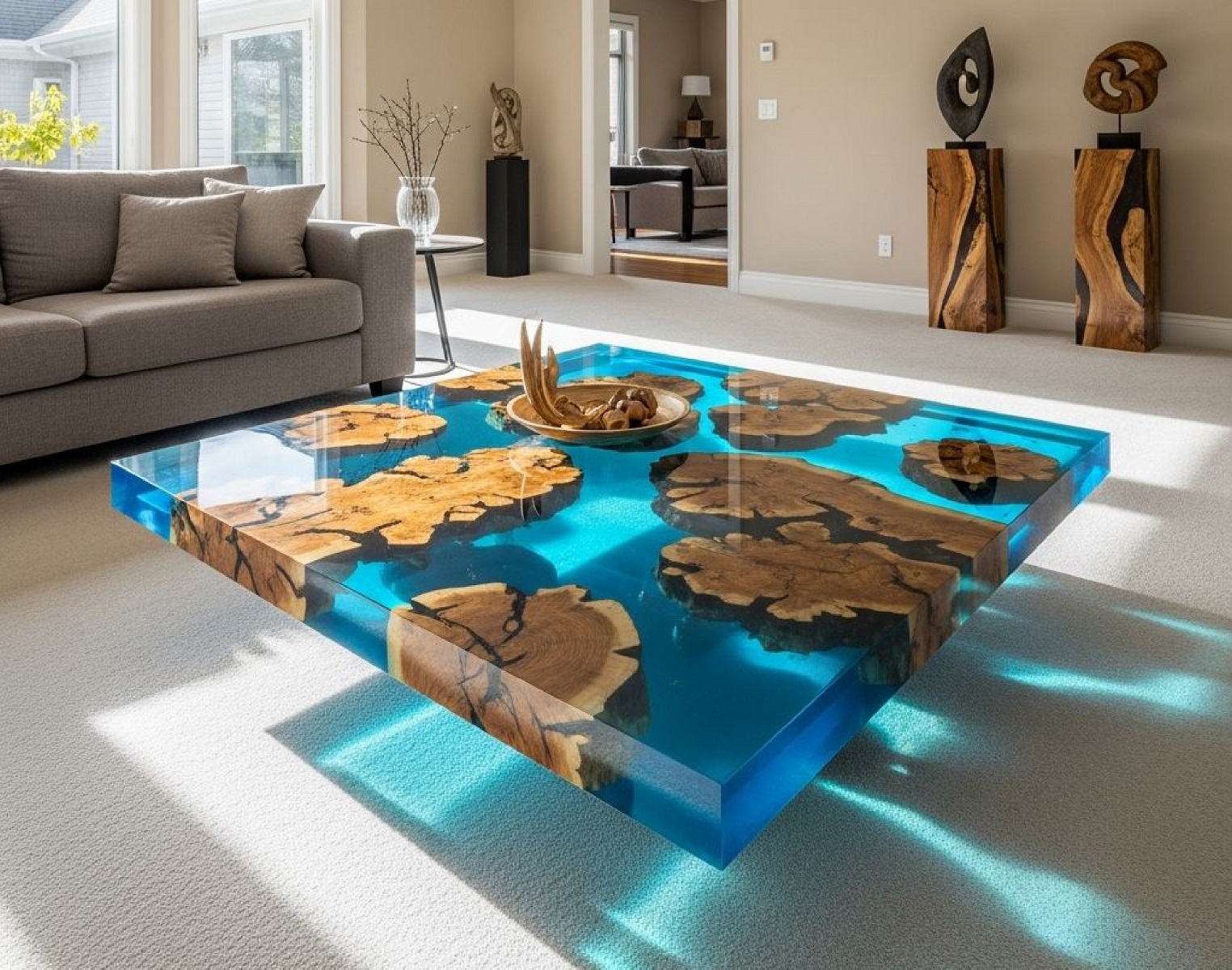
Translucent blue resin coffee table with embedded natural wood fragments, creating a modern artistic centerpiece in a neutral-toned living room

Traditional furniture relies heavily on wood, metal, and fabric, but today’s designers are pushing boundaries with unconventional materials. Embrace resin, concrete, rattan, or recycled plastics. Brands like Emeco craft chairs from ocean plastic, while Design Within Reach offers concrete side tables. These materials add texture and eco-cred.


Tip: Pair a concrete console with soft textiles to balance industrial edge.


5. Asymmetrical & Organic Shapes: Curves Ahead

A modern living room with a curved, asymmetrical sofa in warm caramel leather, paired with a freeform coffee table and rounded floor lamp, creating a harmonious organic aesthetic

Curves and asymmetry are taking center stage in modern design because they offer a refreshing break from the predictable lines of traditional rectangular furniture. These organic shapes introduce a sense of aesthetic innovation, adding character and uniqueness to a space.


By incorporating curves and uneven forms, designers create visual movement within a room, making it feel more dynamic, fluid, and engaging. This shift away from rigid symmetry helps bring warmth and personality into interiors, making them feel more inviting and less structured.


Ditch sharp angles! Cloud-like sofas, amoeba coffee tables and crescent moon chairs invite tactile comfort. Brands like B&B Italia and Gubi lead this trend.


6. Bold Statement Seating: Sculptural & Artistic

Living room with velvet sofa and a sculptural cobalt blue chair featuring twisted metal legs, positioned as the centerpiece on a cream rug

Make chairs the star. A Vitra Wiggle Stool (by Frank Gehry), a Pierre Paulin Mushroom Chair, or a vibrant Mags Sofa by Sectional add instant artistry. 


How to Incorporate Without Overwhelming: 

  • Make a sculptural chair or statement seat stand out, it's best to let just one take the spotlight in each room—for example, an artistic armchair in the living room or a bold, eye-catching stool in the bedroom. 
  • Keep the surrounding area simple and minimal: think neutral walls, plain flooring, and surfaces free of clutter. 
  • Use lighting to your advantage—track lights or picture lights can highlight the piece like a work of art in a gallery.
  • Finally, make sure the seat is not only beautiful but also functional. It should be comfortable to sit in and placed where it can truly be appreciated, such as in an entryway or a cozy corner of the room.

7. Nested & Tiered Tables: Flexible Layers

Modern living room with a set of three walnut nesting coffee tables in different sizes, placed near a linen sofa with a ceramic vase and art books arranged on top

In modern interior design, furniture must be both stylish and adaptable—and nothing delivers this dual functionality better than nested and tiered tables. These space-savvy solutions offer versatile surfaces, sculptural appeal, and smart storage, making them ideal for small apartments, cozy living rooms, and even spacious homes seeking flexible styling options.


Cluster nesting tables (like CB2’s Peck Tables) for adaptable surfaces. Tiered designs, such as Ferm Living’s Ripple Table, create visual depth while saving space.


Nested and tiered tables prove that good design doesn’t sacrifice function for form. Whether you need extra surfaces for entertaining or a sculptural accent piece, these flexible layers deliver style and practicality in one.


8. Conversation Pits & Sunken Lounges: Retro Revival

Contemporary sunken lounge with built-in white upholstery and a circular fireplace at its center

Once a hallmark of 1960s and 70s interior design, conversation pits and sunken lounges are making a dramatic comeback—blending retro charm with modern sophistication. These immersive seating areas transform living rooms into intimate, cocoon-like retreats, perfect for relaxed gatherings and stylish lounging.


Today’s sunken lounges balance bold aesthetics with practicality—offering a retreat from open-plan fatigue while fostering connection.


9. Eco-Conscious Innovators: Sustainable & Smart

The furniture industry is undergoing a radical transformation as sustainability becomes non-negotiable for modern consumers. Today's most forward-thinking designs combine eco-friendly materials with intelligent functionality, proving that style and environmental responsibility can coexist beautifully.


Furniture grows with you. Sabai Design’s sofas use recycled fabrics and are fully repairable. Ori Living’s robotic systems shift walls and cabinets at a button press.


10. Mix-and-Match Mania: Intentional Eclecticism

Eclectic living room with a vintage leather sofa, modern glass coffee table, and antique Persian rug, unified by deep emerald green accent pillows and artwork

Combine eras and styles confidently: a mid-century sofa with an ornate Baroque mirror, or a rustic wooden bench beside a metallic lamp. Tip: Unify with color or material (e.g., all wood tones warm or cool).


Why Eclectic Mixing Works:

  • Personal Storytelling: Combines travel souvenirs, family heirlooms, and contemporary finds. Creates interiors that evolve with your life experiences.
  • Visual Interest: Prevents the "showroom" effect of matching furniture sets. Encourages the eye to move around the space.
  • Sustainable Practice: Extends the life of vintage/antique pieces. Reduces reliance on mass-produced sets.


What Should You Consider When Choosing Creative Living Room Furniture?


  • Space & Flow: Measure twice! Ensure pathways remain clear.
  • Comfort vs. Concept: Never sacrifice ergonomics for looks. Test seating depth and support.
  • Personal Joy: Does it spark happiness? Your space should reflect you.
  • Quality Investment: Creative doesn’t mean flimsy. Prioritize durable construction.


Final Thoughts: Your Living Room, Reimagined


Creative furniture transforms rooms from functional boxes into dynamic extensions of your identity. Start small—swap a generic coffee table for a sculptural piece or add a modular ottoman. Remember, rules are meant to be bent. As interior guru Kelly Wearstler says, "Design is about storytelling and evoking emotion."

Gray Dining Room Furniture Tips: A Timeless Choice for Modern Elegance

Gray dining room furniture has surged in popularity over the last decade, becoming a staple in contemporary and transitional interiors. In 2025, this trend continues to thrive, with homeowners and designers embracing gray’s versatility, neutrality, and ability to harmonize with diverse aesthetics. This guide dives into why gray is a smart choice, how to style it, and the latest trends to inspire your dining room makeover.

Dining room with eclectic design style and mismatch gray furniture


Why Choose Gray Dining Room Furniture?  


1. Neutral Flexibility
Gray serves as a perfect backdrop for any design scheme. Whether paired with bold jewel tones (like emerald or sapphire) or soft pastels (such as blush or sage), it adapts effortlessly.  

2. Timeless Appeal
Unlike trend-driven colors, gray transcends fleeting fads. A gray dining table or sideboard ensures your space remains stylish for years.  

3. Space-Enhancing Effects
Light gray furniture can make small dining rooms feel airy, while charcoal tones add drama and depth to larger spaces.  

4. Hides Wear and Tear
Gray’s muted tones are forgiving of scratches and stains, making it ideal for busy households.  

Mid-century dining room furniture with gray dining chairs


Types of Gray Dining Room Furniture  


1. Dining Tables

Materials: Opt for reclaimed wood for a rustic vibe, sleek metal legs for industrial flair, or tempered glass tops for modern minimalism.  
Trend Alert: Oval-shaped gray tables are dominating 2025 designs, promoting social interaction and fluid movement.

Gray tables offer a wide range of styles to suit any interior design. Rustic gray wood tables are a perfect match for farmhouse or transitional homes, bringing a warm and inviting feel. For those seeking a more modern aesthetic, concrete or stone-look gray finishes provide a contemporary or industrial edge. Additionally, extendable gray tables are a practical choice for multifunctional spaces or growing families, offering versatility and adaptability.

2. Dining Chairs

Mix & Match: Pair gray upholstered chairs with wooden frames for warmth, or choose metallic accents for a luxe touch.  
Ergonomics: Look for chairs with curved backs and padded seats for comfort during long dinners.  

Gray chairs offer subtle sophistication while allowing other design elements—like table decor or wall art—to shine. Upholstered gray chairs are popular for comfort, while molded plastic or metal styles are favored for a more modern aesthetic.

3. Buffets and Sideboards

Functional Style: Gray sideboards with brass handles add sophistication while offering storage for dinnerware.
Open Shelving: Incorporate floating gray shelves to display art or ceramics without overwhelming the space.

These pieces serve both storage and decorative purposes. A gray buffet or sideboard helps anchor the dining room visually while keeping essentials like dinnerware and linens out of sight.

4. Benches

Space-Saving: Gray upholstered benches tuck neatly under tables, perfect for narrow rooms or casual breakfast nooks.

Benches are a flexible seating solution that enhances a communal and cozy atmosphere. Gray benches can be standalone or paired with matching tables for a coordinated look.

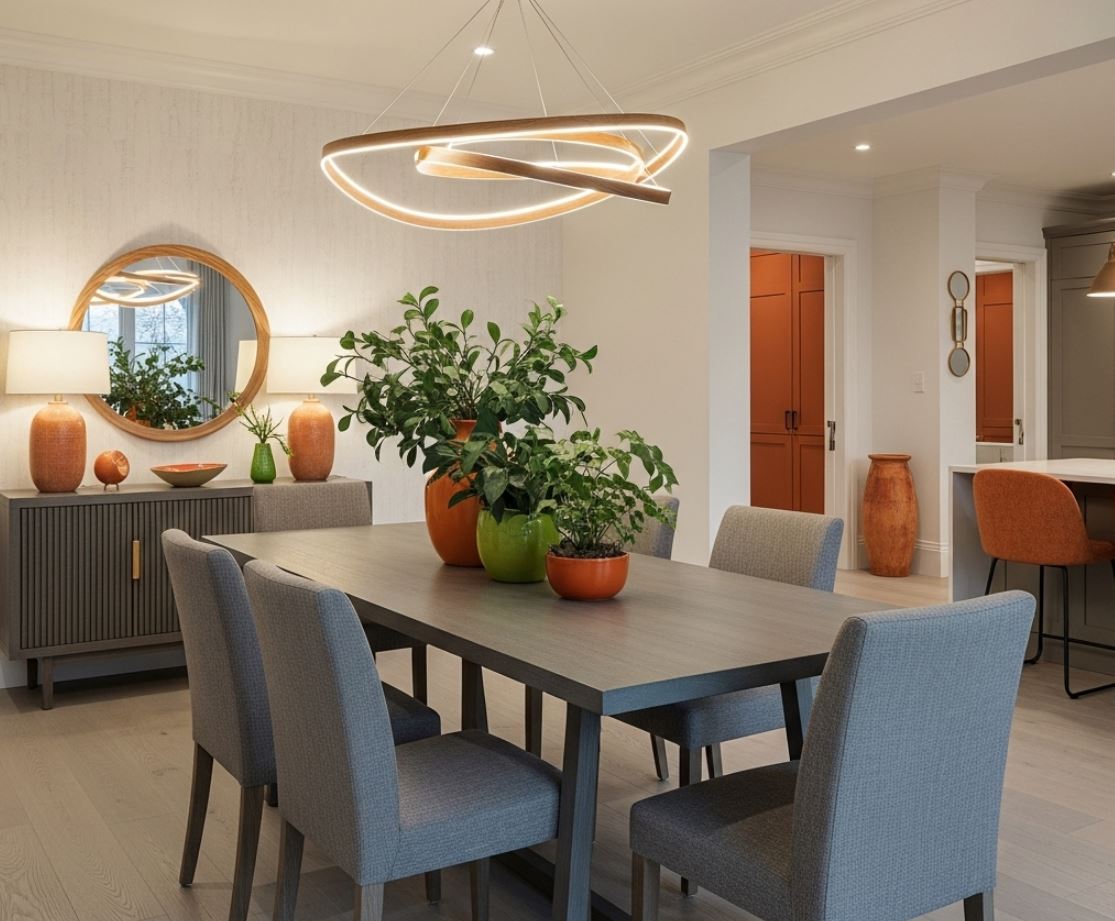
Modern farmhouse dining room with gray dining set and amazing chandelier


How Can You Style a Gray Dining Room for Maximum Impact?  


Color Pairings  

Warm Contrasts: Combine charcoal gray with mustard yellow or terracotta for a cozy, inviting atmosphere.  
Monochromatic Layers: Use varying shades of gray (pearl, slate, graphite) to create depth. Add texture with linen curtains or a shag rug.  

Lighting  

Statement Fixtures: A brass chandelier or sculptural pendant light elevates gray furniture from understated to striking.  
Natural Light: Maximize windows to balance gray’s coolness with sunlight.  

Gray can appear cold, especially under harsh or cool-toned lighting. Use warm white bulbs (2700K–3000K) to soften the space and bring out gray’s warmth.

Accents and Decor

Metallic Touches: Gold candleholders or silver vases complement gray’s neutrality.  
Botanical Elements: Introduce greenery (e.g., olive trees or eucalyptus) to soften the palette.  

Metals like gold, brass, and matte black look super sharp with gray. You can use them in light fixtures, mirror frames, or even small details like drawer pulls. Gray can sometimes feel a bit cool, so add green plants, wooden bowls, or rattan items to soften it up. Plants, whether real or fake, bring life and a bit of color to the room.

Design Styles  

Modern Farmhouse: Distressed gray wood tables paired with white shiplap walls. Gray is a go-to for sleek, clean-lined spaces. Pair with white, black, and steel finishes for an ultra-modern feel.

Mid-Century Modern: Sleek gray chairs with tapered legs and retro patterns. Mid-century style emphasizes clean lines, organic curves, and functional forms—often with a retro flair. Gray helps ground the space while allowing wood tones and accent colors to shine.

Eclectic: Blend a gray dining set with vibrant mismatched chairs and global-inspired textiles. Eclectic design is all about mixing different periods, styles, colors, and textures in a harmonious way. Gray acts as a visual anchor, keeping the look from becoming chaotic.

Dining room with mid-century modern furniture and decoration


What’s Trending in Gray Dining Room Furniture for 2025?


1. Textured Grays
Look for furniture with limewash finishes, bouclé upholstery, or ribbed details to add tactile interest.

2. Two-Tone Combinations
Gray tables with contrasting black bases or chairs with dual-toned upholstery (gray + navy) are trending.

3. Sustainable Materials
Eco-conscious buyers are opting for gray furniture made from recycled metals, FSC-certified wood, or low-VOC paints.

4. Smart Furniture
Tech-integrated gray dining tables with built-in wireless charging and adjustable heights cater to modern lifestyles.

Modern gray dining room furniture trend 2025


Maintenance Tips


Wood Surfaces: Use coasters to prevent water rings. Polish quarterly with a beeswax-based product.  
Upholstery: Vacuum weekly and treat stains immediately with a mix of dish soap and cold water.  
Metal/Glass: Wipe with a microfiber cloth and vinegar solution to maintain shine.  


Conclusion


Gray dining room furniture remains a top choice in 2025 for its adaptability, elegance, and practicality. Whether you prefer a moody charcoal setup or a light, airy aesthetic, gray provides a foundation for endless creativity. Ready to refresh your dining space? Start with a gray centerpiece and layer in colors and textures that reflect your personality.